





Key Takeaways
Location Matters: Walkability can strengthen rental appeal, but its value depends on the property's location, features, and target renter.
Know Your Market: Urban and suburban Richmond rentals attract different renters, so owners should price and market each property based on its competitive market.
Look Beyond Walkability: Property condition, size, parking, amenities, and overall value still influence what renters will pay.
Consider the Trade-Offs: Walkable properties may come with older systems, limited parking, higher maintenance needs, or greater turnover that can affect investment returns.
Market Objectively: Owners should highlight walkability with objective information while considering fair housing requirements and the property's other strengths.
If you own a rental in Richmond, you have probably heard some version of the same tenant question: “Can I walk to coffee from here?”
At KRS Holdings, we have managed Richmond rentals for about two decades, and we have seen firsthand how much location can shape rental demand.
The short answer is yes, walkability can raise a property's rental appeal. How much it helps depends on where your property sits, what it offers, and which renters you want to reach.
Walkability is not simply about having a high Walk Score. Restaurants, grocery stores, parks, entertainment, public transportation, and employment centers can all contribute to a property's appeal.
For owners, the important question is whether those features translate into stronger demand, higher rent, or lower vacancy.
Want help tracking performance across your rentals?
Request a Free Rental Analysis Today!
Richmond Is Really Two Rental Markets
Richmond has a mix of highly walkable urban neighborhoods and car-dependent suburban communities. Areas such as The Fan, Carytown, the Museum District, and Church Hill offer convenient access to restaurants, shops, parks, cultural attractions, and other everyday amenities.
In contrast, Henrico, Chesterfield, Midlothian, Glen Allen, and Short Pump generally appeal to renters who prioritize space, parking, schools, and convenient driving access.
Neither market is better. They simply attract different renters, and a smart pricing and marketing strategy should account for those differences.
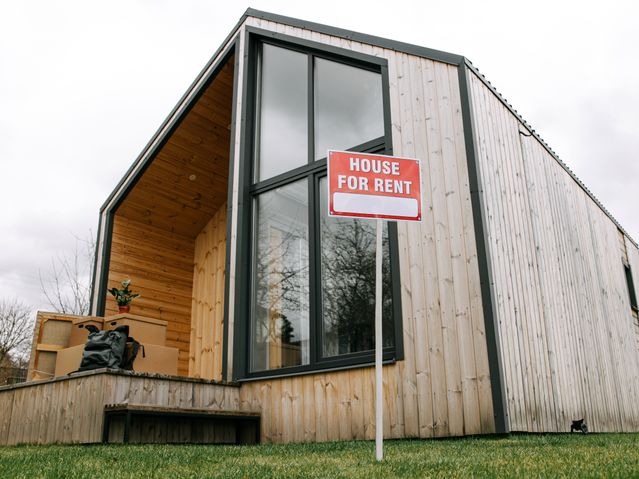
A highly walkable property may attract renters willing to pay more for convenience, but it can also come with a higher purchase price, older construction, parking limitations, or additional maintenance needs.
A suburban property may offer more space and modern amenities while still producing strong rental demand. Walkability should therefore be considered alongside the property's overall investment potential.
What Walkable-Neighborhood Tenants Will Pay For
Renters in The Fan, Carytown, and the Museum District often value convenient access to restaurants, shops, cultural attractions, universities, employment centers, and outdoor spaces.
Some may be willing to accept a smaller footprint, street parking, or an older building in exchange for a more convenient, car-light lifestyle. The premium is not necessarily for walkability alone.
Proximity to employers, universities, restaurants, entertainment, parks, and other neighborhood amenities can all contribute to demand. Property condition, size, parking, updates, and overall value still influence how much renters are willing to pay.
For owners, the key is to look at the complete location story when setting rent. Rather than relying on a single walkability score or general neighborhood reputation, consider what renters can actually access from the property and how those features compare with competing rentals.
A listing that clearly explains nearby amenities and transportation options can help prospective renters understand the value of the location.
Where Walkability Matters Less
If your property is a single-family home in Midlothian or Short Pump, Walk Score is not what wins the lease. Families and long-term renters in these areas may place greater value on a fenced yard, garage, good schools, and room to spread out.

A suburban home does not need to be walkable to rent well. Location still matters, but the valuable features are different. Easy access to major roads, shopping centers, employment hubs, recreation, and schools may be more meaningful than being able to walk to a coffee shop.
Owners should compare their properties with rentals competing for the same renter pool. A three-bedroom rental home with a garage and yard should be priced against similar suburban rentals, while a one-bedroom apartment in The Fan should be evaluated against comparable nearby units.
Considering professional support for your rental properties?
The Trade-Offs Owners Should Know
Walkable neighborhoods are often historic. The Fan’s early 20th-century row houses are beautiful and in demand, but older plumbing, electrical systems, and roofs need attention.
Under the Virginia Residential Landlord and Tenant Act, landlords must keep a rental fit and habitable, so deferred maintenance can become a legal problem, not just a cosmetic one.
Student-heavy areas can also mean more turnover, tight summer leasing windows, and limited off-street parking.
Virginia caps security deposits at two months’ rent, so owners should plan for turnover costs through accurate pricing and thorough move-in and move-out inspections. High demand does not always mean easy ownership.
A rental may lease quickly but require more maintenance or turnover than a comparable suburban property. Those operating costs should be weighed against any potential rental premium when evaluating an investment.
How to Market a Walkable Rental the Right Way
Use facts, not slogans. List the Walk Score, then name specific places and give distances, such as the walking time to Carytown shops or the Virginia Museum of Fine Arts.

Photos of nearby streets, cafes, parks, and other amenities can also help renters understand the property's location. Keep fair housing in mind.
The federal Fair Housing Act and the Virginia Fair Housing Law protect against discrimination, so describe the property and its surroundings rather than the type of person who would “fit in.” Objective distances and amenities keep your listing both effective and compliant.
Walkability should also be marketed alongside the property's other strengths. Dedicated parking, updated appliances, outdoor space, and convenient access to major roads can all influence a renter's decision.
Pricing should follow the same principle: a walkable location may support a premium, but condition, size, rental amenities, parking, and comparable rents still matter.
Need support managing your rental property investments?
Bottom Line
If you are shopping for a Richmond investment, a walkable address is a strong advantage, but it is one factor among several. Purchase price, rent, condition, and vacancy risk matter just as much.
At KRS Holdings, we help Richmond owners evaluate the factors that influence rental performance, from location and pricing to property condition and leasing demand. We know the local neighborhoods and how to market different property types effectively.
Frequently Asked Questions
How Can I Tell Whether Walkability Is Actually Increasing My Rental’s Value?
Compare your property with similar rentals nearby that offer comparable size, condition, parking, and amenities.
If properties with better access to shops, restaurants, transit, or other amenities consistently achieve stronger rents or lower vacancy, that can help you determine whether location is creating a measurable advantage.
Should I Pay More for a Walkable Investment Property?
Not necessarily. A walkable property can attract strong demand, but a higher purchase price, older systems, limited parking, or greater maintenance costs can reduce your overall return.
Evaluate the property's projected income and expenses rather than paying a premium based on location alone.
How Can I Measure Whether Walkability Is Reducing Vacancy?
Track your property's days on market, showing activity, applications, and vacancy periods over time.
Comparing those results with similar rentals in the same area can help you determine whether location is contributing to faster leasing or whether factors such as pricing and property condition are driving the results.
What Should I Look for When Buying a Walkable Rental?
Look beyond the property's walkability rating. Consider nearby amenities, transportation options, parking, property condition, neighborhood competition, and the type of renters the area attracts.
You should also account for maintenance and operating costs before deciding whether the property makes sense as an investment.
Can Walkability Affect Property Management Costs?
It can. Older, walkable properties may require more maintenance, while areas with limited parking or higher turnover can create additional management demands.
Owners should consider these operating factors alongside rental income when determining whether the location provides a worthwhile investment advantage.
Does Walkability Matter When Selling a Richmond Rental?
It can be a selling point, particularly when nearby amenities and transportation options are desirable to buyers.
However, investors will also consider rental income, expenses, condition, and future performance. A strong location is most valuable when the property's financials support the investment case.