





Key Takeaways
Property Preparation: Older Richmond homes need thorough inspections and system checks before renting, especially HVAC, plumbing, and electrical.
Preventive Maintenance: Address moisture, drainage, and exterior issues early to avoid costly repairs and tenant problems.
Planning & Management: Success depends on budgeting, clear expectations, and consistent oversight, often supported by professional property management.
Richmond offers many opportunities for investment property owners, and older homes can make excellent investments when properly prepared.
While these properties often offer character and desirable locations, they also require extra attention to maintenance, aging systems, and rental readiness before tenants move in.
Before renting out an older home in Richmond, here are some of the most important things from the experts at KRS Holdings that owners should consider.
Inspect the Property Before Renting
Before you list the home, walk through it with an owner’s mindset, not just a homeowner’s mindset. A property can feel “good enough” for personal use and still fall short as a rental.
Tenants often put more consistent wear on a home than an owner. Minor issues can quickly become recurring maintenance requests, and aging systems are more likely to fail under regular use.
A thorough property condition review should look at:
Roof condition
Gutters and drainage
HVAC age and performance
Plumbing fixtures and supply lines
Electrical panel and outlets
Windows and exterior doors
Flooring condition
Paint and drywall
Appliances
Safety items such as smoke detectors, locks, railings, and handrails
This review helps you separate cosmetic updates from true rental-readiness issues. The goal is not always to renovate the entire property. The goal is to reduce preventable repair calls, improve tenant satisfaction, and protect the long-term value of the home.
Evaluate HVAC, Plumbing, and Electrical Systems
Older Richmond homes often have charm that newer properties cannot replicate, but behind the walls, the major systems need special attention.
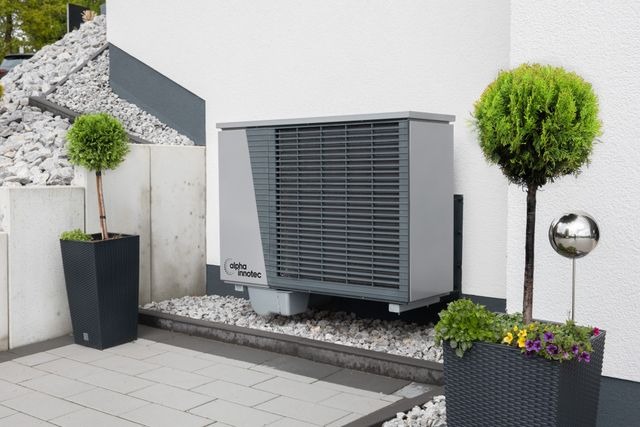
HVAC systems, plumbing, and electrical issues are among the most common sources of emergency calls, tenant frustration, and unexpected owner expenses.
Before renting the home, ask:
Is the HVAC system properly serviced?
Are there signs of leaks under sinks, around toilets, or near the water heater?
Does the electrical panel appear updated and properly labeled?
Are outlets functional and safely located?
Are there overloaded circuits or extension cord workarounds?
Are plumbing shutoffs accessible and working?
Having licensed professionals inspect these systems before move-in can help prevent costly emergency repairs later.
This is especially important in Richmond’s climate, where hot, humid summers and colder winter periods put pressure on heating, cooling, moisture control, and insulation.
A system that is unreliable can affect tenant retention and may also lead to more costly damage if problems are ignored.
Address Moisture and Ventilation Concerns
Moisture is one of the biggest risks in older rental homes. Richmond’s humidity, seasonal rain, and mature tree coverage can all contribute to drainage and ventilation problems.
Owners should check for:
Water intrusion in basements or crawl spaces
Musty odors
Soft flooring near bathrooms or kitchens
Poor bathroom ventilation
Clogged gutters
Downspouts draining too close to the foundation
Grading that directs water toward the home
Signs of mildew or condensation around windows
Address moisture and ventilation issues before move-in to protect the property, reduce maintenance, and improve tenant satisfaction.
Know What Improvements Are Worth Making
Not every older home needs a major renovation to perform well as a rental. In fact, over-improving a rental can reduce your return on investment if the upgrades do not support higher rent, better retention, or fewer maintenance issues.
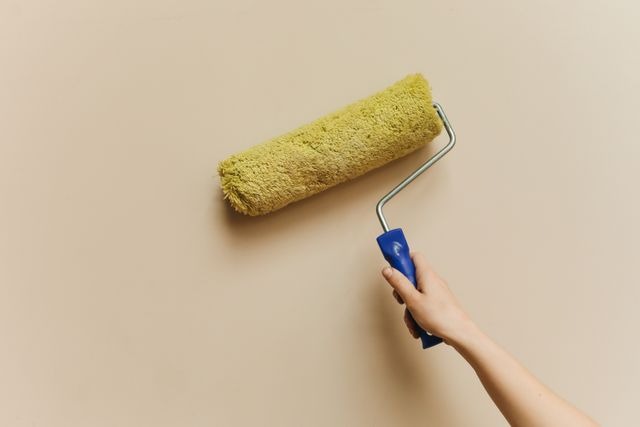
For many Richmond rental homes, practical improvements often matter more than luxury finishes. Consider updates such as:
Fresh, neutral paint
Durable flooring
Updated light fixtures
Reliable appliances
Clean landscaping
Modern locks
Functional blinds
Energy-efficient bulbs
Updated cabinet hardware
Professional cleaning before showings
These practical updates improve marketability without unnecessary expense. Most tenants prioritize a clean, safe, and well-maintained home over luxury finishes.
Protect the Property With Exterior Maintenance
The outside of an older home can have a major impact on both leasing performance and long-term maintenance costs. Curb appeal matters when prospective tenants are comparing listings, but exterior maintenance also protects the structure.
Before listing the property, review:
Siding and trim
Peeling paint
Porch steps and railings
Fencing
Walkways
Driveways
Exterior lighting
Gutters
Tree limbs near the roof
Yard drainage
Entry doors and locks
Older homes often require extra attention to porches, steps, railings, and other exterior features to prevent safety issues and maintenance requests.
A clean, well-maintained exterior also sets expectations for the tenancy. When a property looks cared for, tenants are more likely to treat it with care.
Consider Historic and Neighborhood Guidelines
Some Richmond, VA properties may be located in historic districts or established neighborhoods with specific expectations around exterior changes, permitting, or repairs.
Owners should understand whether their property is subject to any restrictions before making major exterior updates. This is especially important for items like windows, exterior doors, additions, fencing, paint colors, or porch alterations.
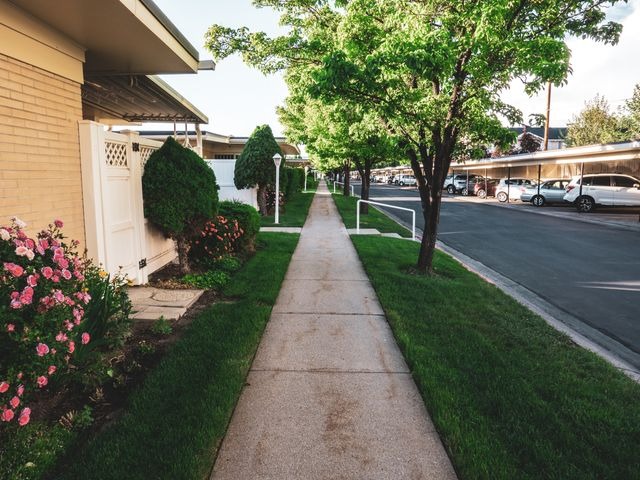
Even when restrictions do not apply, older neighborhoods may have unique property layouts, parking limitations, shared access points, alleyways, or drainage conditions that affect rental operations.
For investors purchasing an older Richmond home, this is a good reminder to complete due diligence before assuming a property will be simple to renovate or rent.
Budget for Higher Maintenance Costs
Older homes can be profitable rental investments, but owners should be realistic about maintenance costs. Even a well-maintained older property may require more frequent repairs than a newer home.
A strong maintenance reserve can help cover:
HVAC repairs
Plumbing leaks
Appliance replacement
Roof repairs
Electrical updates
Exterior wood repair
Water heater replacement
Flooring replacement
Drainage corrections
Setting aside maintenance reserves helps owners address repairs quickly and avoid larger expenses later.
Make Sure Lease Expectations Are Clear
Older homes may have quirks that newer properties do not. Maybe there is limited storage, older windows, a smaller kitchen, a narrow driveway, or specific yard care expectations. These details should be communicated clearly during the leasing process.
Your lease and move-in documentation should explain responsibilities related to:
Lawn care
Filter changes
Utilities
Pest prevention
Reporting maintenance issues
Proper use of appliances and systems
Parking
Trash and recycling
Moisture prevention
Rules for alterations or painting
Clear expectations help prevent misunderstandings. They also give tenants a better experience because they know how to care for the property properly.
Document Key Aspects of the Property
Move-in documentation is especially important for older homes. Because older properties naturally have more wear than new construction, owners need a clear record of the home’s condition at the start of the lease.

Before the tenant moves in, document:
Flooring
Walls and paint
Appliances
Windows
Doors and locks
Bathrooms
Kitchen cabinets and counters
Exterior areas
Yard condition
Any existing cosmetic imperfections
Photos, videos, and a written condition report create a clear baseline and help prevent disputes.
Consider Professional Property Management
Renting out an older Richmond home requires planning, maintenance, and consistent oversight. Professional management can help owners stay ahead of rental repairs, tenant needs, and compliance requirements.
At KRS Holdings, we support Richmond property owners with leasing, tenant screening, rent collection, maintenance coordination, inspections, and financial reporting especially for older homes that need extra care.
Bottom Line
An older Richmond home can be a reliable, high-performing rental asset when it is properly managed from the start. Success depends on proactive preparation before listing, realistic budgeting for ongoing maintenance, and consistent oversight to prevent small issues from turning into costly repairs.
With professional support from KRS Holdings, owners can reduce vacancy risk, protect property conditions over time, and maintain steady long-term rental income while avoiding the stress of day-to-day management responsibilities.