Key Takeaways
- Adjust your housing or investment strategy to prioritize properties with dedicated workspaces, flexible layouts, and additional square footage to meet remote-work demand.
- Remote and hybrid work have shifted housing demand away from expensive urban cores toward suburbs, smaller cities, and commutable-but-distant towns.
- Developers and homeowners are responding to remote work trends by focusing on flexible floor plans, outdoor amenities, and renovations that support productivity and privacy.
Working from home has been widely adopted, shaping the housing landscape in ways that we never anticipated before 2020. Before then, it was considered a niche privilege provided to selected professionals, but now it has evolved into a structural shift with enduring economic, social, and spatial consequences.
Most workers now perform their duties from outside the traditional office environment. As a result, their residential expectations and preferences have also been transformed. Due to these changes, ripple effects affect urban planning priorities, land-use patterns, housing markets, and long-term development strategies across regions.
In this article, the team at KRS Holdings will explore how working from home has affected housing demands. This will include assessing the complexities that are associated with this magnitude of shift.
The Rise of Remote Work as a Structural Trend
During the global disruptions in 2020, remote work gained unexpected momentum. However, its existence stems from more than necessity. Several organizations found that productivity remained stable or even improved when workers operated from home.
Management practices adapted to distributed teams, collaboration platforms matured, and technological infrastructures expanded rapidly.
Although not all Industries can operate remotely, a larger share of the service economy can. Workplaces are becoming more of a network and less of a physical location as several companies embrace fully remote or hybrid models. Residential spaces have been transformed into multifunctional environments because this shift has changed how individuals perceive their homes.

With the evolution from traditional office-centric work to hybrid or remote models, housing demand trends have shifted to reflect modern expectations for amenities, location, and space.
How Remote Work Redefines the Concept of Home
Previously, most households placed more value on closeness to employment centers. Residents in urban areas had access to work-related amenities, shorter commute times, and convenience. However, residential priorities evolved, and daily commuting no longer defined the workweek.
1. Home as a Workspace
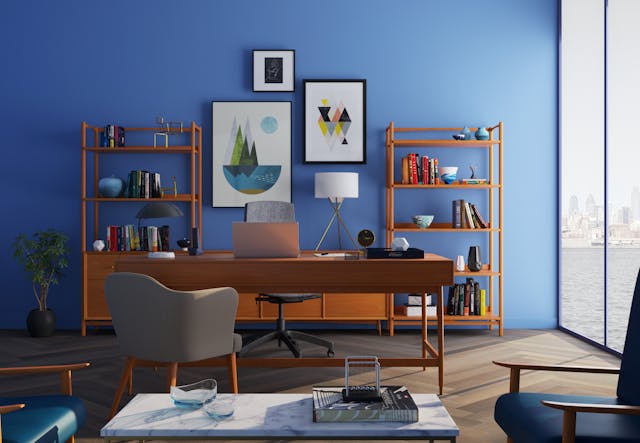
The home is now expected to have features that support work, similar to those of office buildings. Remote workers seek quiet spaces and improved sound insulation for video conferencing, dedicated offices or flexible multipurpose rooms, and natural light to reduce screen fatigue.
These features align with the functional expectations of homes, with more value on residential properties that support workplace productivity.
2. Increase Demand for Square Footage
Workers seek additional rooms for workout or wellness spaces, a study area for children, office space, and storage for equipment. Larger homes are in high demand, especially in exurbs, suburbs, and rural communities, where spaces are more readily available and more affordable.
3. Changing Interior Design Priorities
Previously, layouts that promoted open-concept living were in high demand. Now, such designs are ignored because they lack privacy. Home buyers currently want properties with separate spaces for different activities, interior walls, and built-in workstations.
Geographic Shifts in Housing Demand
Housing demand has been redistributed across regions due to remote work. With workers’ freedom to live as far from their employers as possible, several patterns have emerged. These include:
1. Suburban Resurgence
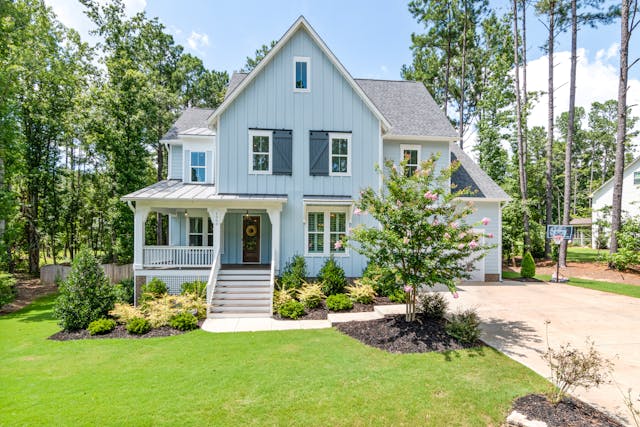
There has been a substantial increase in the demand for houses in suburban markets. This is because prices are lower here than in major cities, outdoor spaces and greenery are more accessible, neighborhoods are quieter, and homes are larger.
Several professionals discovered that suburbs are appealing for both space and lifestyle considerations, thanks to the pandemic.
2. Growth in Smaller Cities and Towns
Remote work migration is boosting growth in secondary and tertiary cities. That is because these allow for a slower pace of life and lower cost of housing, among other benefits.
Remote workers prefer smaller cities where they can have a balance between quality of life and affordability.
3. Lower Demand in Expensive Urban Cores
In the past, large metropolitan centers were unquestionable hubs of work. Presently, these areas are having lower demands. Although cities keep attracting younger workers, urban centers are experiencing downward pressure because remote workers are no longer attracted to corporate headquarters due to the pricing structure.
4. Rise of “Commutable-but-Distant” Towns
Newer patterns have been created by hybrid work. People now want homes in areas with larger properties, lower costs, and access to urban centers within one to two hours. Such locations will allow workers to commute to work occasionally and also benefit from privacy and greater space.
Changing Construction and Development Priorities
Due to these shifting preferences, developers are rethinking both location and design. Below are some areas of priority:
1. New Emphasis on Flexible Floor Plans
Developers now design homes with enhanced insulation, multiple office spaces, sound-dampening materials, integrated technology infrastructures, and convertible rooms. These features cater to functional and private spaces.
2. Demand for Outdoor Amenities
Remote workers who want environments that support personal well-being and professionalism are attracted to homes that have community green spaces, private yards, and balconies
3. Increased Construction in Suburbs
Developers now focus more on regions with high inbound migration. This shift will influence infrastructure investment, transportation planning, and land development.
4. Renovation Boom
Most homeowners are remodeling their homes to include office spaces by converting attics, basements, garages, and spare rooms into functional workspaces. Remodeling increases the demand for construction materials and contractors.
Bottom Line
Working from home is no longer a temporary adjustment but a permanent structural force with significant influence on the housing landscape. This influence extends individual preferences to include development strategies, regional economies, long-term planning, infrastructure, and markets.
As homes evolve into multifunctional environments, housing demand now favors properties that support flexibility, comfort, privacy, and productivity. The housing market will continue to grow as it adapts to remote work.
If you have any questions about navigating this changing landscape, contact the experts at KRS Holdings today!